
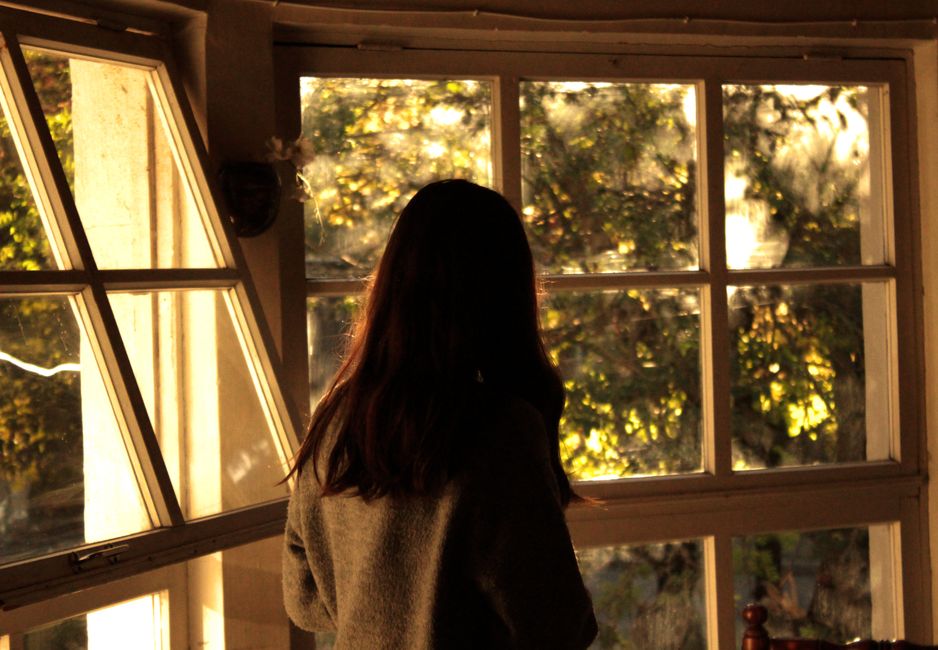
By the time the cottonwoods turn along the Snake River, daylight in Eastern Idaho is already shrinking by several minutes each day. For many people, the shift from bright September afternoons to dim December mornings is more than a change of season — it can nudge mood, sleep, and energy in ways that feel hard to shake. Seasonal Affective Disorder (SAD) is a recognized pattern of depression tied to reduced light exposure, and the good news is that planning ahead in late summer or early fall often makes a meaningful difference.
Why Eastern Idaho Winters Can Affect Mood
Our corner of the state sits at a high latitude and a high elevation, which means long stretches of cold, overcast, or snow-covered days between November and March. In places like Rexburg and Idaho Falls, sunrise can arrive after 8 a.m. in December, and many people leave work in the dark. Reduced natural light can influence circadian rhythm, melatonin production, and serotonin activity — the biological systems that help regulate mood and sleep. When those systems drift out of sync, symptoms of depression can follow a predictable seasonal pattern.
Early Signs Worth Noticing
SAD often develops gradually, which is why catching it early can help. Symptoms may look different from person to person, but common patterns include:
- Low energy or fatigue that does not improve with rest
- Sleeping longer than usual but still feeling tired
- Craving carbohydrates or gaining weight over the fall and winter
- Losing interest in activities you normally enjoy
- Difficulty concentrating at work or school
- Feeling withdrawn, irritable, or persistently down as daylight shortens
If you noticed any of these last winter, this is a good time to plan a strategy before symptoms return.
Treatment Options to Consider
There is no single approach that fits everyone, and effective care often blends a few tools. Options that clinicians commonly discuss for seasonal affective disorder treatment include:
Light therapy. A properly designed light box, typically used in the morning, can help support circadian regulation. Details matter — brightness, duration, distance, and timing all play a role — so it is worth reviewing your plan with a clinician rather than guessing.
Therapy. Talk therapy, particularly cognitive behavioral approaches adapted for seasonal patterns, can help you notice triggers, adjust routines, and build habits that carry you through the darker months. Our team includes LCSWs, LMSWs, LPCs, and PhD-level clinicians who work with adults and families navigating seasonal changes.
Medication management. For some people, antidepressant medication is a helpful part of the picture, especially when symptoms are moderate to severe or recur every year. Our psychiatrists and PMHNPs review history, other medications, and personal preferences before recommending a plan.
Advanced options for treatment-resistant depression. When depression has not responded to prior medications, Spravato may be a consideration. This is a specialized treatment offered under clinical supervision and is discussed on a case-by-case basis.
Lifestyle supports — regular sleep and wake times, outdoor light exposure when possible, movement, and social connection — round out most plans.
Planning Ahead Before the Clocks Change
The most helpful time to build a winter plan is before symptoms peak. Scheduling an evaluation in late summer or early fall gives you time to try a light box, refine sleep habits, begin therapy, or adjust medication so you head into November with support already in place. Pearl Health sees patients across Eastern Idaho, including our main location in Ammon and offices in Pocatello, Idaho Falls, and Rexburg.
If last winter felt heavier than it should have, you do not have to wait for it to happen again. Reach out to Pearl Health to talk with our team about seasonal affective disorder treatment options that fit your life, and let us help you plan for a steadier season ahead.